
The Captain Who Refuses Rest
The Good ShepherdThis flow traces George Krause’s escalating physical collapse and the self-discipline that keeps him on the bridge until relief arrives.
increasing Bearing strength in each event
 decreasing
Bearing strength in each eventdecreasingCold and Unprepared
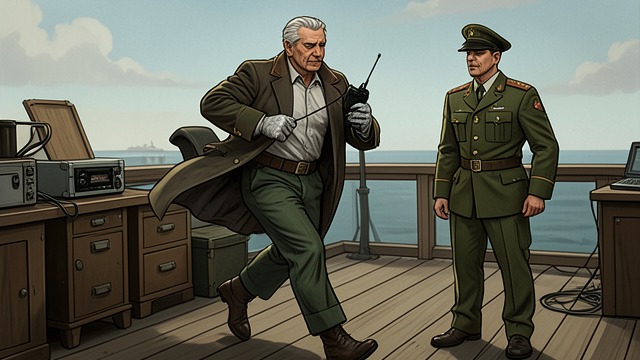
Cold and Unprepared
An interrupted routine
George Krause leaves his cabin rapidly when summoned and reaches the bridge without his proper cold-weather clothing. He has already spent the night standing watch, yet the immediate tactical problem takes priority over his discomfort.
The body as an instrument
He thinks of his body as something to employ in duty. That view helps him act swiftly, but it also encourages him to ignore cold and fatigue until they interfere with his work.
A warning of limits
The freezing coat, numbed hands, and missed chances to dress recur through the day. The body that seems obedient at first becomes an increasingly urgent constraint on command.
A Captain on His Feet
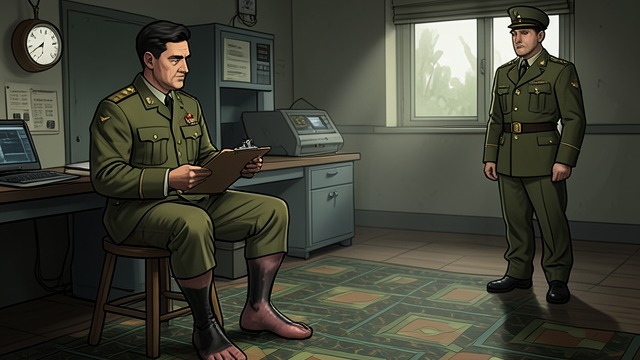
A Captain on His Feet
Pain becomes visible
After hours on a heaving deck, George Krause’s legs and feet ache intensely. He sometimes sits on the captain’s stool, then judges himself for the relief as if comfort were a moral failure.
Work without pause
Tactical reports, convoy reports, and damage-control decisions keep demanding attention. Even eating and going to the head become difficult tasks postponed until the next opening.
The dangerous equation
George Krause treats exhaustion as an enemy to overcome through discipline alone. The approach sustains him, but his near-sleeping and lapses show that self-command cannot eliminate the body’s need for rest.
Sleep at Last
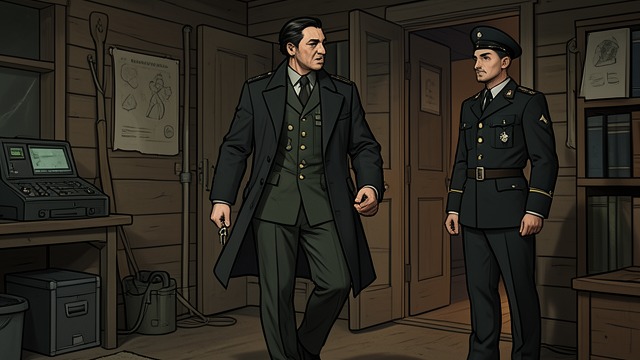
Sleep at Last
A command completed
George Krause hands the convoy to Diamond and receives its thanks. Only after the responsibility is formally transferred can he leave the bridge.
The body gives way
He struggles toward his cabin, unable even to manage the fastenings of his coat. The effort of continuing has exhausted the discipline that kept him upright.
The briefest peace
George Krause kneels beside his bunk and turns toward the words and memories of childhood. He soon falls asleep face down, not as a reward for victory but as the first unconscious release from an ordeal his body could no longer sustain.
Wednesday morning during the first attack
Thursday morning after the long night pursuit
Friday morning after the relieving force arrives
